Building Atlas OS, a Design-to-Pro-Forma System

Project Summary
Atlas OS turns a building design into a costed, trackable project. You design buildings on a parcel, and Atlas produces the cost report, vendor list, pro forma and presentation for you, then tracks the project from planning through build. It also checks every plan against the power grid using public data, so capacity gaps get solved before construction instead of after. It's human-in-the-loop by design: AI handles the paperwork in between, people handle the relationships.
Geometry as the source of truth
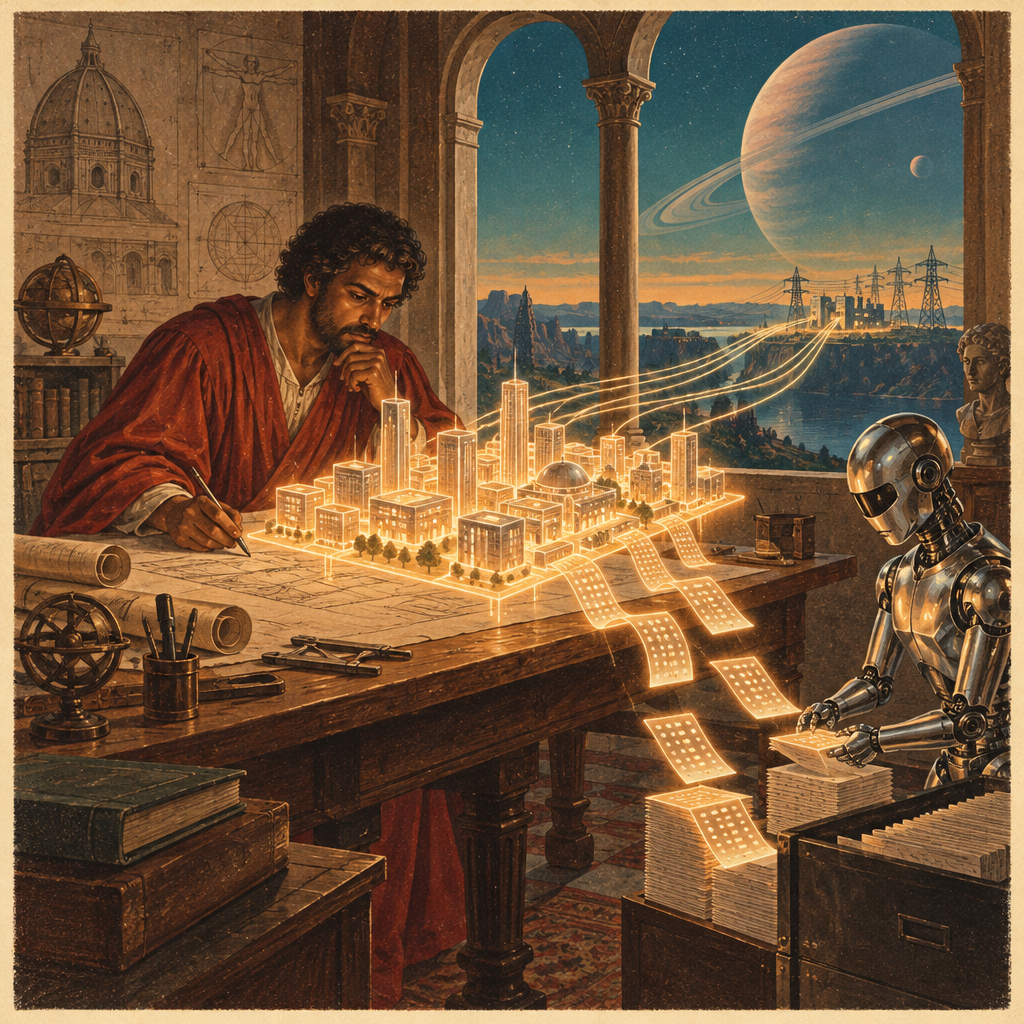
Most project tools keep the building in one place and the numbers in another. Atlas holds the geometry itself. Buildings are modeled in Blender and rendered in Twinmotion, and every object carries one ID that reads from the network down to the site, parcel, building, level and component. That ID is derived from where the object sits in the model, never typed by hand, and it's validated on every save. Export round-trips through glTF with every property intact, so the model and the numbers can't drift apart.
One pro forma, any size
The pro forma is compositional. The same system prices a single parcel or an entire multi-building campus, built from parcel records, building records and named inputs. When a cost hasn't been sourced yet, the estimate comes back unpriced instead of guessed. A number you can't trace is worse than no number.
Power before the permit
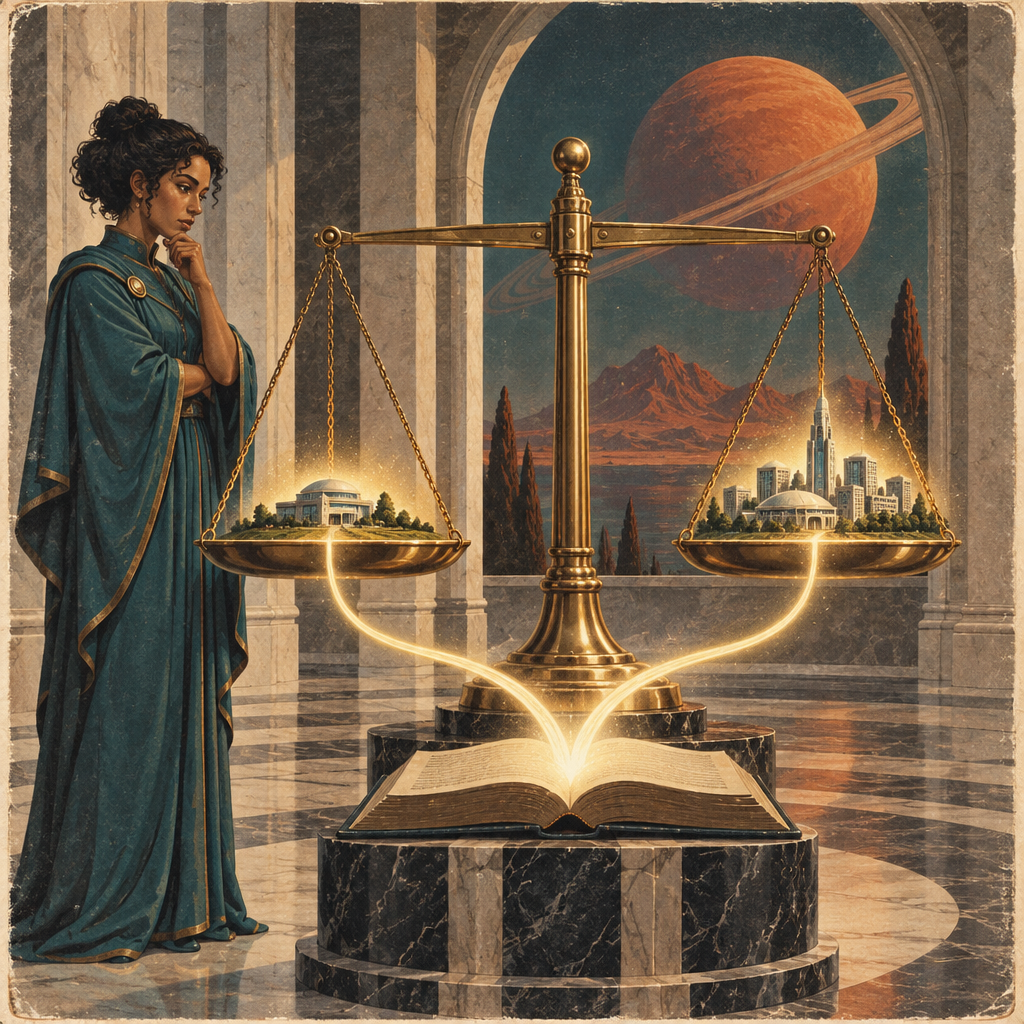
Atlas connects each site to its substation and feeder through public grid data and reads whether the facility actually fits the remaining headroom. When a plan exceeds capacity, the gap shows up at the planning stage, so upgrades can be planned and paid for before build time instead of the cost landing on regular residents.

People only where people matter
Manifests and mismatch reports are managed by AI. People get a short list of only the decisions that need a human, answer them, and the system updates itself. Their day is done. Lower-level apps, like property management, attach at each level, so one system runs from the first sketch to day-to-day operations.

More Examples