Software Are Memes, SaaS Is Dead, Infrastructure Is Forever
What a meme is
In 1976, a biologist was trying to explain why a tune gets stuck in your head. Not why you like it. Why it spreads. Why you hum it, then the person next to you hums it, and a week later it's in a city you've never been to, slightly wrong.
He realized there was no word for that. So he made one up.
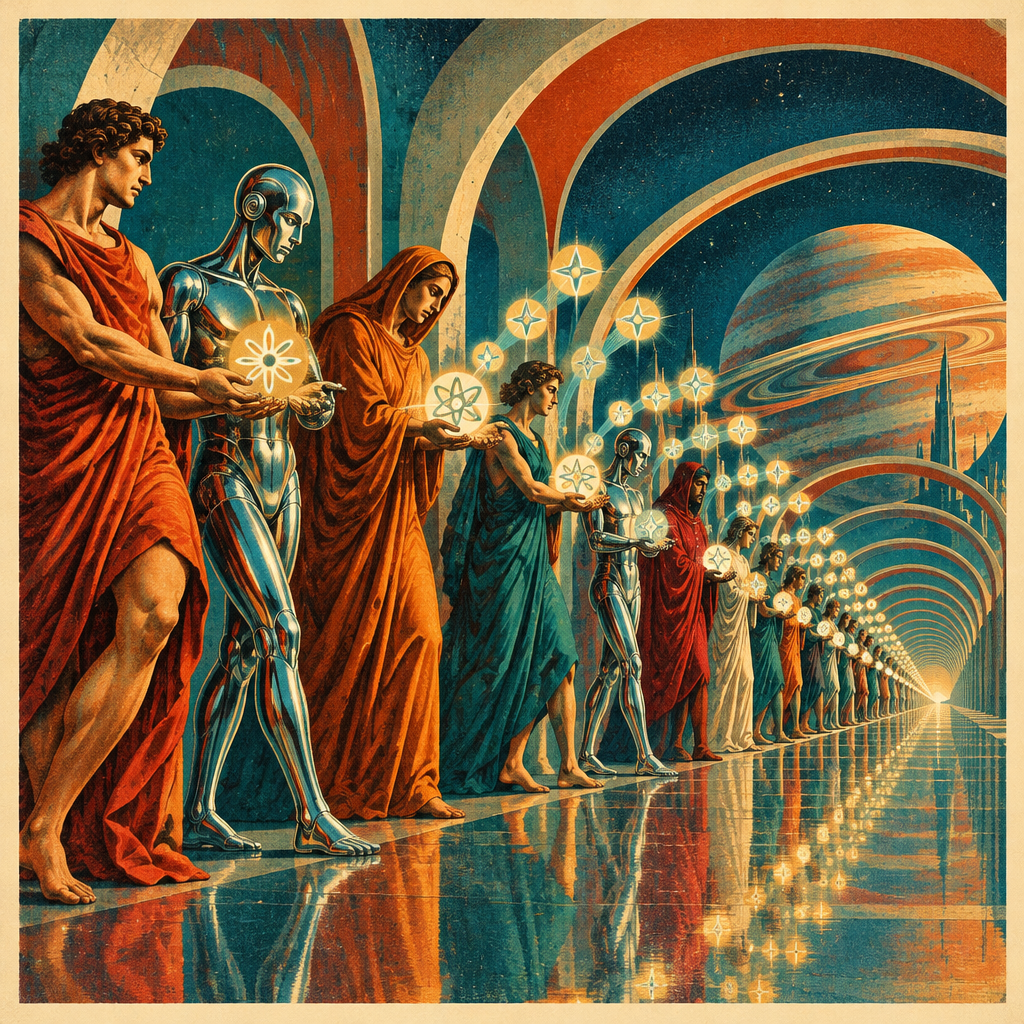
Richard Dawkins called it a meme, in The Selfish Gene. He wanted the cultural version of a gene. A gene is information that copies itself from body to body and mutates along the way. A meme does the same thing with ideas. It jumps from one person to the next, and every person it passes through changes it a little, because they run it through their own experience. Eventually it becomes its own thing. Nobody owns it anymore.
You probably think you know what a meme is... That's the mutated version. The original idea is much bigger, and it's about to explain what's happening to the entire software industry.
That's the part I want you to hold onto. A meme isn't a joke. It's an idea that can travel and mutate on its own.
Software are memes you can see
SaaS was never selling software. It was selling productivity. You paid Slack or Notion or Asana every month because your team got a little faster, and that gain was worth the fee. That was the whole deal.
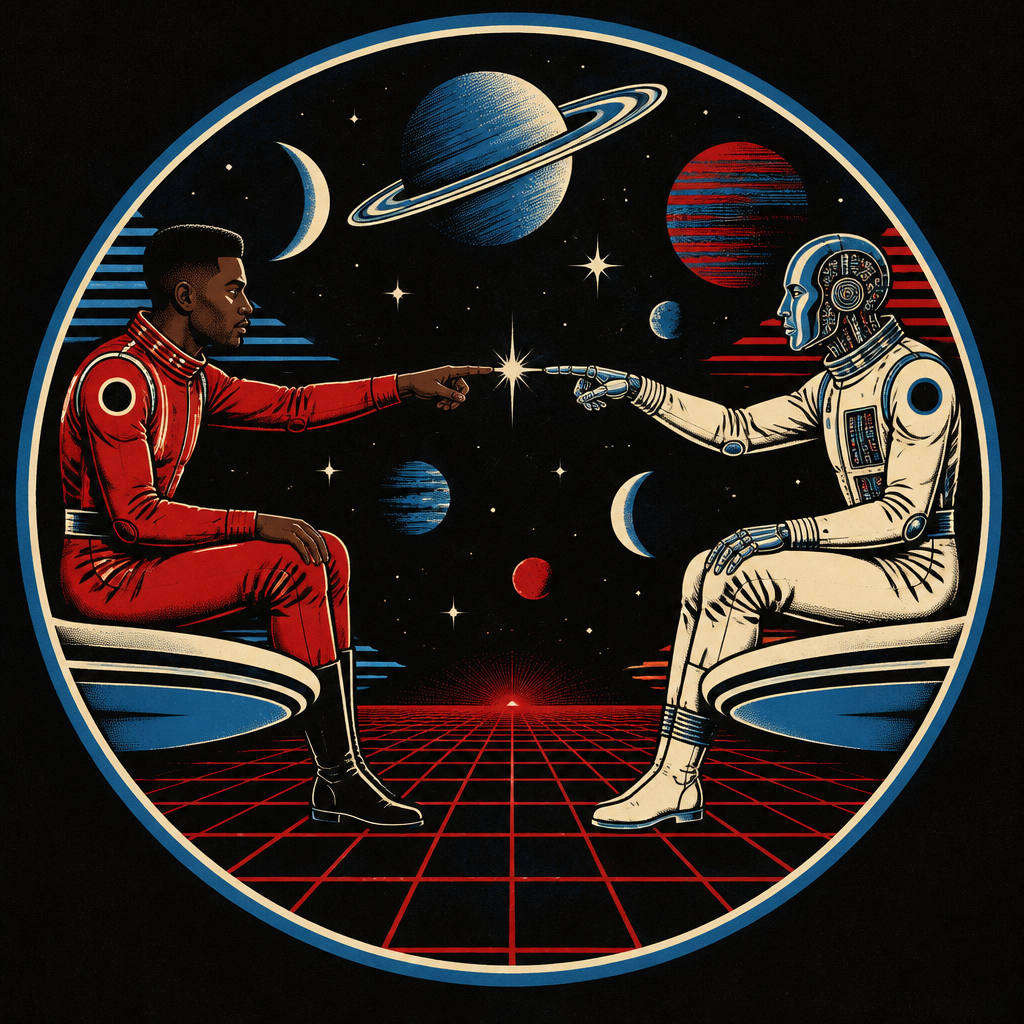
AI broke the deal. Now the productivity comes straight out of a conversation. You don't need a specific tool for it. And if you do want a tool, you screenshot someone else's, hand it to an AI, and by dinner you have your own version. Not a clone. A mutation. Exactly like a meme.
That's what I mean when I say software is a meme. It's an idea you can see, and an idea you can see is one anyone can copy, change, and ship. You can't charge $49 a month for that anymore.
But not all software is a meme. Email. Payments. DNS. The stuff a billion people lean on every day without thinking. Nobody remixes Gmail by dinner, because Gmail isn't an idea. It's plumbing. That's infrastructure that happens to be made of code.
So the real line isn't software versus physical. It's meme versus infrastructure.
SaaS is dead. Software isn't. What's dying is selling a meme and calling it a company.
Infrastructure is forever
If anything digital can be copied, then the only real moat is what can't be. And that's the physical world.
I mean two layers of it.
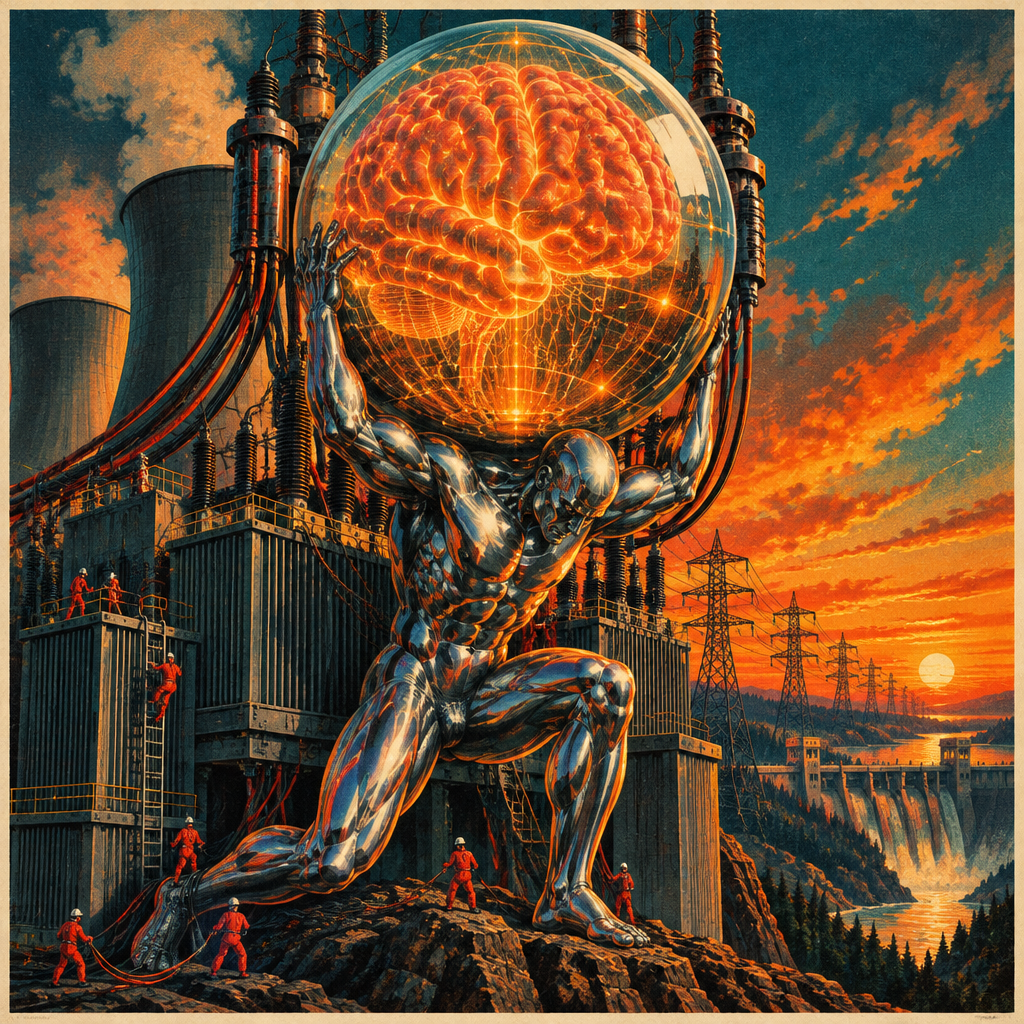
The hard layer is the stuff AI needs and can't make for itself. Power. Land. Buildings. Compute sitting in a real room with real cooling. You can't screenshot a substation. You can't prompt your way into a parcel. Those things take years, permits, relationships, and people who will pick up the phone.
The human layer is the stuff AI can't replace. Trust. Community. Being physically in a room with people who know your name and know where you came from. A neighborhood that decides it wants something to exist. That's infrastructure too. It's just the kind nobody puts on a balance sheet.
This is where my head's been lately. I've been building something of my own that lets me design ideas visually, and turns that into real reports and communications on the other end. It's not off the shelf. I built it because nothing else did what I needed. I'm not ready to say more than that yet. But if you've seen me talking more about Buffalo, and about building in Buffalo, that's where my head's at.
The limit of AI is physical

People keep asking me where AI tops out. I don't think the limit is intelligence. I think the limit is substrate.
I'm using that word on purpose, instead of atoms or hardware. Substrate just means the base layer something else runs and grows on. Soil is the substrate a plant grows in. Silicon is the substrate a chip runs on. For AI today, the substrate is still us. Our power grids, our land, our permits, our hands pouring the concrete. AI's intelligence can scale overnight. Its substrate can't.
Every model needs power. Every data center needs land, water, and a town that said yes. Right now, AI is stuck asking us for the physical world. It can design the building, but it can't pour the concrete.
That changes the day it has a body. A robot isn't a product anymore at that point. It's a competitor for the same power, the same land, the same floor space you and I need. Once AI is physical, it stops asking for infrastructure and starts needing its own.
Which leaves me with a question I don't have an answer to yet. If AI really comes into its own, who is the infrastructure for? Us, or the machines? Are we building places for people, or places for agents, or places where the two meet?
My honest guess isn't just that the land owners win. It's that software is an idea, and an idea comes out of the person who had it, and that person came from somewhere. A real neighborhood, a real set of problems, real people around them. So the ideas that hold up, the ones that actually make something better instead of just getting remixed and forgotten, keep coming from people who stayed rooted in a real place. The people who win the next decade aren't just the ones who own the ground. They're the ones who build communities healthy enough to keep producing ideas worth having. And the ideas worth having are the ones that benefit the community they came from. Once people can actually see an idea helping them, it stops being just software. It becomes part of the social foundation.
Software is a meme. SaaS is dead. Infrastructure is forever.
If you're building something physical, or thinking about it, I'd like to hear from you.
