Streaming Is Dead. Long Live the Stream.
The king is dead.
On November 12, the world fundamentally changes. Grand Theft Auto 6 is going to be a turning point for our society. I believe it will change how IP works, and how the biggest companies on earth handle a release.
That's the day Rockstar ships the game to millions of strangers. The whole game. Every street, every car, every line of compiled code. A full week before anyone is allowed to play it.
The only thing standing between what's reportedly the most expensive game ever made and the entire internet is a lock that has to hold for seven days.
That's not a strategy. That's a prayer.
There's an old line for when a king dies: the king is dead, long live the king. Same throne. New ruler. No gap in between.
That's what's happening to streaming right now. The version we know is dying. The one replacing it is going to run everything.
The old king.
When people hear streaming, they think Netflix and Spotify, or Twitch and YouTube. Renting, or watching.
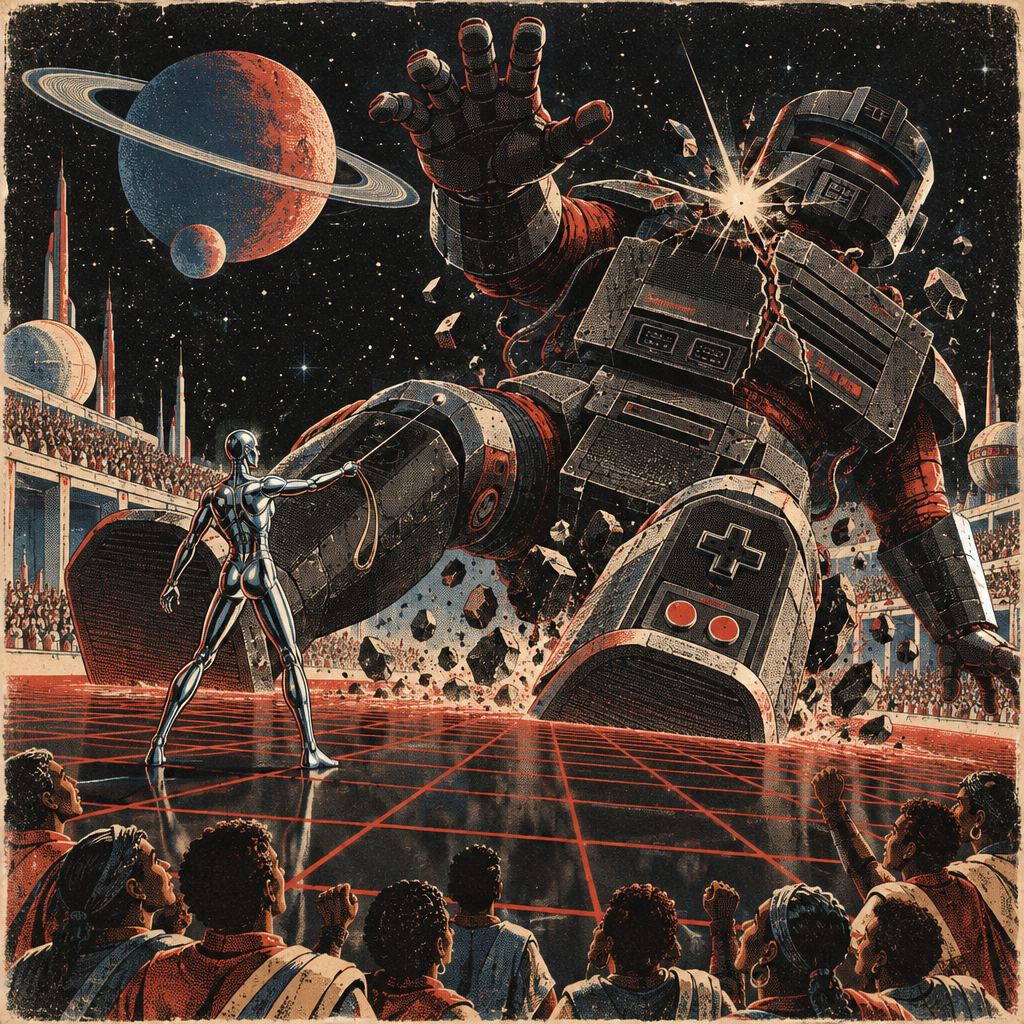
Then Google tried streaming games. Stadia launched November 19, 2019, and shut down in January 2023. Everybody wrote the obituary.
But cloud gaming didn't die. It's been quietly building its infrastructure, getting better, sitting back and waiting.
And the other kind of streaming, Twitch and YouTube, is what keeps a game alive. GTA 5 is still a stage for streamers a decade later.
GTA 6 launches November 19, 2026, seven years to the day after Stadia. I believe it's the beginning of the end for the old way. Not because the game flops, but because of what AI does to the returns once it ships. The console used to be the safeguard. Now the console itself can be recreated, and getting past its security takes hours. Then AI can decompile the game and sloppily recreate it. Also hours. When the wall is that thin, publishers stop shipping the box.
Old streaming was a convenience. New streaming is survival.
The law can't run this fast.

Our whole intellectual property system was built for a slower world. On purpose.
Filing a trademark takes the better part of a year, often longer. A copyright fight can take years. A patent can take longer than a console generation.
A clone takes an afternoon.
And here's the uncomfortable part. In the U.S., copyright protects the expression, not the idea. The art, the code, the music, the script. Not the mechanic. Not the loop. Not the feeling. If someone watches your game, describes it to an AI, and builds their own version from scratch, there may be nothing to sue.
That system isn't broken. It's just losing a race it was never designed to run.
So you build the lock into the architecture. You make the copy hard to start. That doesn't replace the law. It buys the law time. Every new product gets a head start while the old system catches up.
You still file the trademark. You still bring the lawsuit. The courts are still there for the big players who scrape your stream at scale. But now they're working on your clock, not the clone's.
Consoles are done. The stream is the new console.
The billion-dollar box.

If you want to see how fragile the old model is, look at Rockstar. Not because they're careless. Because they're one of the most secretive studios on earth, and it still wasn't enough.
Rockstar has already been breached more than once. A trailer leaked early. Test footage leaked. Even the GTA 5 source code went public. And none of that was the scary part.
The scary one is coming on November 12. That's when the finished game, the real thing, gets copied onto millions of consoles for preload. From that moment on, the files exist in millions of homes. Dataminers will crack them open. Every model, every texture, every city block becomes raw material. Not just for pirates and cheat makers. For AI.
Now run the same launch through the new model.
GTA 6 lives in Rockstar's data centers. Nothing preloads, because there's nothing to load. You press play and you get video. There's no file to dump, no build to datamine, no executable to crack. The most valuable creative asset in entertainment never leaves the building.
Here's how the seven biggest threats play out, shipped to your console versus streamed from the data center:
- Full game leaks before launch. Shipped: exposed for a week of preload. Streamed: nothing ships, nothing to leak.
- Dataminers rip maps, models, audio. Shipped: every file on every console. Streamed: no files on any device.
- Cracks and piracy. Shipped: a matter of time. Streamed: nothing to crack.
- Cheats that hook the game's code. Shipped: common. Streamed: the code never runs on your machine.
- AI trained on ripped assets. Shipped: wide open. Streamed: only pixels, and pixels can be tagged.
- Insider or hacker breach. Shipped: exposed. Streamed: still exposed.
- Someone plays it and copies the idea. Shipped: exposed. Streamed: still exposed.
Look at the last two. Streaming doesn't fix them. The 2022 leak came from inside the company's own systems, not from a player. And nobody can stop you from playing a game and building your own take on it.
That's the honest scorecard. Streaming kills five of the seven ways a billion-dollar game gets bled. The other two are a different fight, and we'll get there.
Long live the stream.

The new king isn't a Netflix for games. It's bigger than that.
It's everything. Games, creative tools, the apps you run your business on. Anything worth copying moves off your device and onto infrastructure the owner controls. You don't install it. You connect to it.
And that changes what intellectual property even is.
For a hundred years, IP was paper. A filing, a registration, a claim you defended in court after someone stole from you. In the new world, IP is a place. A server, in a building, on a power line, that your code never leaves.
Which means the people who make things and the people who own the machines are about to become partners. It works like a chain:
- The creator builds the game or the tool. They own the idea.
- The infrastructure owner runs the data centers, the power, the cooling. They host it and never let the code out.
- The player leases access. They get the experience, not the file.
The deal between the first two gets signed before launch, and that contract protects the idea while the courts catch up. Our system practically forces this. We live in a capitalist market with an IP system built to protect owners. When the only safe place left for an idea is someone's data center, the idea and the data center find each other.
You don't buy it. You lease it.
What it costs.
I'm not going to pretend this is free.
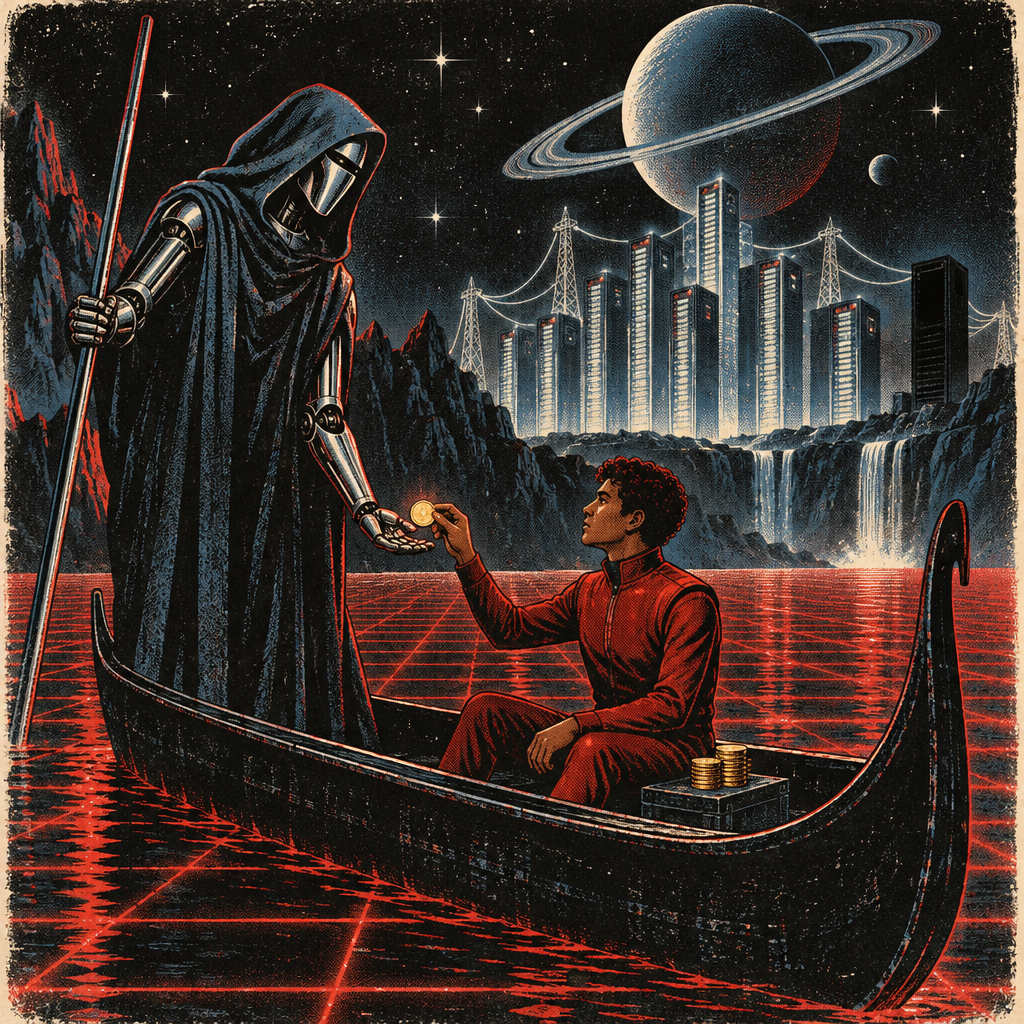
A game becomes a service. You stop paying sixty dollars once and start paying something like twenty a month. You're not buying, you're leasing. And ownership was already shakier than anyone admitted. Ubisoft shut down the servers for The Crew on March 31, 2024. The game became unplayable, and players later found it pulled from their libraries, even though they'd paid for it. One Ubisoft executive said players would get comfortable with not owning their games. In the new world, that's just the deal. When the server goes dark, so does the thing you pay for.
Physics still wins. Streaming needs fast, stable internet. If you're on a rural connection or a capped plan, the new king doesn't reach you yet. Stadia died partly on that hill. But the infrastructure has been quietly getting better every year since.
It eats power. Every game, every tool, every session now runs on someone's hardware, in someone's building, on someone's grid. That's a massive amount of electricity, land, and cooling that has to come from somewhere.
Those aren't small problems. But look at that last one again. It's not just a cost.
It's an opportunity.
Why this is good news.
Here's what the new king gives back.
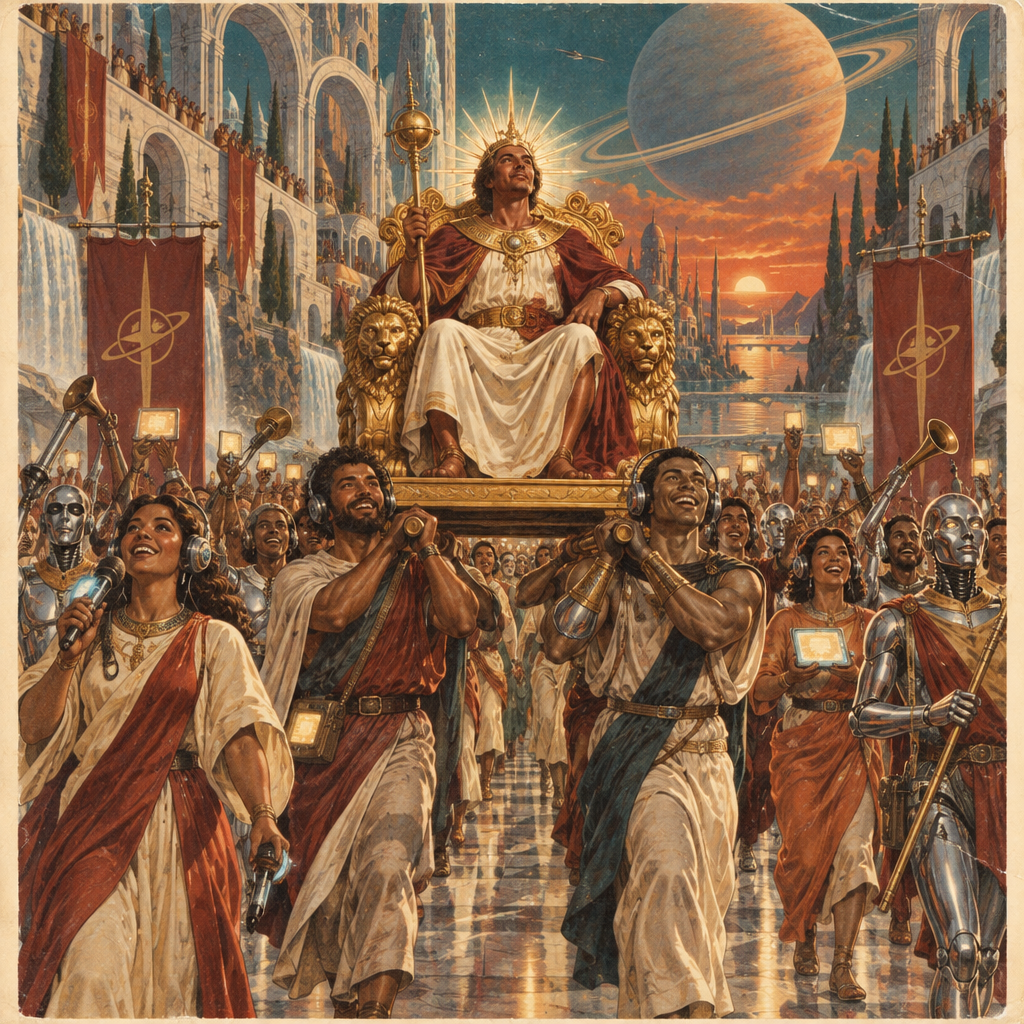
The device stops mattering. When the game runs in a data center, a kid on a hand-me-down laptop plays the same world as someone with a three-thousand-dollar rig. The hardware gap that's decided who gets to play for forty years starts to close.
Small studios get to live. Right now, a five-person team ships something brilliant and gets cloned in hours or days. When the code never leaves the server, that team gets a real runway. Long enough to build the next thing. Long enough to become a company.
The value moves to the ground. If every game and every tool runs on infrastructure, then whoever owns the power, the land, and the buildings holds the keys.
The real moat is still people. Streaming protects the code. It doesn't protect the idea. Someone will always play your game and build their own take on it. What wins that race is the same thing that always has: a brand people trust and a community that feels heard. Keep them close and the copy never catches you. Neglect them and you hand the copy the crown.
The stream protects the code. The streamers protect the throne.
Long live the king.

The box is dead. The disc is dead. The download sitting on your hard drive is dead. The idea that buying something means holding it in your hands is dead.
On November 12, GTA 6 will be the last great proof of why.
What replaces it isn't smaller. It's the biggest infrastructure buildout software has ever seen. Data centers. Power lines. Buildings. Partnerships between the people who dream things up and the people who keep the lights on.
The ones who see it early won't just protect their ideas. They'll own the ground those ideas run on.
The old streaming, the convenience kind, is dead. The new one is just getting started.
Streaming is dead.
Long live the stream.
Sources
- GTA 6 release date and preload (Make Tech Easier)
- GTA 6 test build leak, September 2022 (Tom's Guide)
- GTA 5 source code leak, December 2023 (BleepingComputer)
- Stadia shutdown (GameSpot)
- Stadia launch date (AV Club)
- The Crew licenses revoked (Engadget)